
Blog
7 Best Legal Alternatives to Buy Cigarettes in Canada?
For many Canadians, replacing cigarettes is less about finding a perfect product and more about reducing exposure to smoke. Health Canada’s Canadian Tobacco and Nicotine Survey tracks smoking, vaping, and nicotine use across the country. Its findings show that tobacco use remains a significant public-health concern, despite long-term declines in smoking. The World Health Organization also reports that tobacco causes more than eight million deaths globally each year. The message is clear. Smoke is not harmless.
This guide examines seven legal alternatives available through regulated Canadian channels. They include nicotine patches, gum, lozenges, prescription treatments, vaping products, nicotine pouches with proper authorization, and structured quit-support services. Evidence from Cochrane reviews indicates that nicotine-replacement therapy can improve the chance of quitting, especially when combined with behavioural support. Prescription medicines require professional advice. Vaping is not risk-free. It should not be presented as a harmless lifestyle choice.
Buying tobacco online requires caution. Searching for “buy cigarettes online Canada” can lead users toward unlicensed sellers, counterfeit products, or unclear tax and age-verification practices. Canadian federal and provincial rules differ, so readers should confirm product authorization and retailer licensing. Health Canada’s product databases and provincial quit services offer more reliable information than anonymous advertisements.
This article is practical, but not flawless. Product availability changes. Evidence also evolves. A pharmacist, physician, or certified quit counsellor can match an option to medical history, nicotine dependence, pregnancy status, and personal goals. The safest alternative is usually the one that supports a complete transition away from combustible tobacco. Small steps still matter.
Legal Nicotine Products Available in Canada
7 Best Legal Alternatives to Buy Cigarettes in Canada?
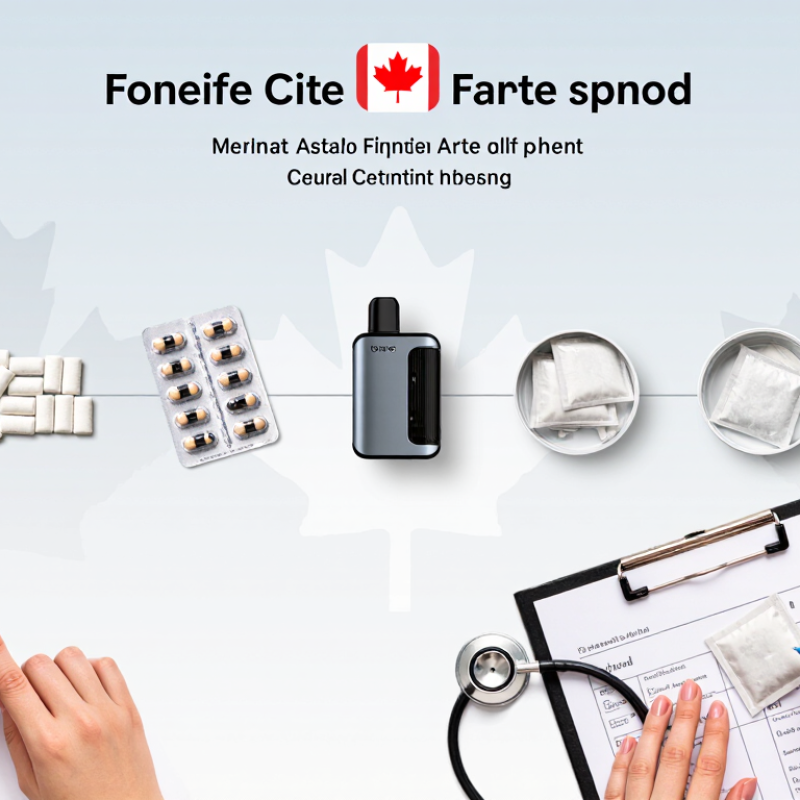
Canada offers several legal nicotine products for adults who want to reduce or replace cigarette use. The most established choices are nicotine patches, gum, lozenges, mouth spray, inhalers, authorized vaping products, and approved nicotine pouches. Patches provide steady nicotine through the day. Gum and lozenges can help during sudden cravings, such as after coffee or during a work break. Mouth sprays and inhalers act quickly, although some people dislike the taste or throat sensation.
Authorized vaping products are available through regulated retailers, but rules differ by province and territory. Age limits, product selection, advertising restrictions, and flavour rules may also change. Nicotine pouches should be purchased only when they are legally authorized and properly labelled in Canada. Availability can vary, so checking Health Canada information or asking a pharmacist is sensible. Store staff may know the shelf, but not always the full legal details.
No option is completely risk-free. I would not describe vaping or nicotine pouches as harmless, especially for non-smokers, youth, or pregnant people. Adults who smoke may benefit from a planned switch, but using several nicotine products casually can increase exposure. A pharmacist, doctor, or quit-smoking service can help match the product and strength to daily cigarette use. The practical choice is often the one that controls cravings without creating a new routine that feels impossible to stop.
How Cigarettes Differ From Vaping and Heated-Tobacco Products
Combustion is the main difference between cigarettes, vaping devices, and heated-tobacco products. Cigarettes burn tobacco, producing smoke, tar, carbon monoxide, and thousands of chemicals. Vaping heats a liquid into an aerosol, while heated-tobacco devices warm processed tobacco without fully burning it. The emissions are different, but neither option is harmless. Nicotine can create dependence, and inhaled particles may affect the lungs and heart.
Health Canada’s Canadian Tobacco and Nicotine Survey reported that roughly one in ten Canadians smoked in 2022. The National Academies of Sciences, Engineering, and Medicine found that vaping generally exposes users to fewer toxic substances than cigarette smoking. That does not make vaping safe. Heated-tobacco evidence is less extensive, and the World Health Organization states that these products still release harmful chemicals. The reduction is not risk elimination.
The practical distinction is important. An adult who completely switches from cigarettes may lower exposure to combustion toxins. Using both products can weaken that benefit. It can also preserve smoking habits. A 2023 Cochrane review found that nicotine e-cigarettes helped some adults quit smoking, although long-term safety remains uncertain. Nicotine replacement therapies have stronger clinical support for cessation and are legally regulated in Canada. Product availability and minimum-age rules vary by province. Check current Health Canada guidance before purchasing. The evidence is useful, but not perfect.
Nicotine Replacement Options: Patches, Gum, Lozenges, and Sprays
Nicotine replacement options offer legal, smoke-free support for adults trying to reduce or stop cigarette use in Canada. Approved patches, gum, lozenges, and sprays deliver nicotine without tobacco smoke, tar, or carbon monoxide. Availability and purchase rules can vary by province and product, so a pharmacist is a reliable starting point.
A patch releases nicotine steadily through the day. It may suit someone who experiences frequent cravings at work or during routine tasks.
Gum and lozenges work differently. They can help during a sudden urge, such as after coffee or during a stressful commute. Use them slowly and follow the package directions. Chewing gum too quickly may cause hiccups, nausea, or throat irritation. A mouth spray can act faster, but it requires careful dosing and may feel harsh at first. Timing matters.
These products are not magic. Some people need a different dose or combination, while others stop because of side effects. That experience is common, not a failure. A healthcare professional can review medical conditions, current medicines, pregnancy, and previous quit attempts before recommending an option. Do not smoke while using nicotine replacement unless a clinician gives specific guidance. Keep all nicotine products away from children and pets. Persistent chest pain, severe dizziness, or unusual symptoms require prompt medical attention.
Age Limits, Packaging Rules, and Retail Requirements
7 Best Legal Alternatives to Buy Cigarettes in Canada?
The word “best” is misleading here. Legal access depends on province, product type, and retailer licensing. Adults may find cigarettes through licensed convenience stores, gas stations, supermarkets, tobacconists, duty-free shops, authorized community retailers, and regulated online sellers where permitted. Online purchases require reliable age verification. Duty-free purchases also follow traveler allowances. These are retail channels, not health recommendations.
Canada’s federal minimum purchase age is 18, but several provinces set it at 19. Prince Edward Island uses 21. Retailers may request identification from anyone who appears under 25. Health Canada’s 2022 Canadian Tobacco and Nicotine Survey reported current smoking among roughly 11% of people aged 15 and older. The figure remains significant, but survey methods and provincial patterns can differ.
Packaging is tightly controlled. Federal rules require plain packaging, standardized colours, prominent health warnings, and restrictions on branding elements. Many cigarette packages display warnings across most of the front and back surfaces. Individual cigarettes also require health warnings under newer federal requirements. Retailers must follow provincial licensing rules, keep tobacco hidden where display bans apply, and avoid sales to minors. Prices should include applicable federal and provincial taxes. A receipt matters.
Rules can feel inconsistent. They sometimes are. Health Canada, provincial regulators, and local authorities may publish different guidance. Check the current provincial tobacco-control page before buying, especially for online sales, duty-free limits, or community-specific rules.
7 Best Legal Alternatives to Buy Cigarettes in Canada
Age limits, packaging rules, and retail requirements vary by product and jurisdiction. The chart below shows the minimum legal age to purchase tobacco products across Canada.
How to read this: Tobacco products, including cigarettes, cigars, pipe tobacco, heated tobacco products, and most vaping products, are generally subject to a minimum purchase age of 18 or 19. Canada’s federal minimum is 18, while several provinces and territories set the retail age at 19. Legal retailers must verify age, follow display and promotion restrictions, and sell products in compliant packaging. Nicotine replacement therapies such as patches, gum, lozenges, inhalers, and sprays are regulated separately and may be available through pharmacies and other authorized retailers.
Choosing a Legal Alternative Based on Personal Needs and Risks
Choosing a legal cigarette alternative in Canada depends on your nicotine needs, health history, budget, and daily routine. Nicotine patches provide steady control throughout the day. Gum or lozenges may suit sudden cravings after meals or during stressful commutes. Nicotine inhalers and mouth sprays can offer a stronger hand-to-mouth routine, although availability may vary by province.
Some adults consider regulated vaping products because they resemble smoking more closely. They still expose the lungs to chemicals and may maintain nicotine dependence. Non-nicotine prescription medicines can reduce cravings, but a doctor must assess possible side effects and medication interactions. Counselling, quit-smoking programs, and telephone support are also legal options, especially when cravings feel emotional rather than physical. A pharmacist can explain which choices are authorized and appropriate.
Personal risk matters more than convenience. People with heart conditions, pregnancy, severe anxiety, or medication concerns should seek medical advice before using nicotine products. Follow package directions, respect Canadian age requirements, and check provincial sales rules. Do not combine several nicotine products casually. That can cause nausea, dizziness, headaches, or a racing heartbeat. I have found that convenience often wins in real life, but it is not always the safest guide. A discreet lozenge may work during meetings, while a patch may fail for someone needing immediate relief. Herbal smoking products also deserve caution, because burning plant material still creates harmful smoke.
Article Source:
Contact Us
Feel free to contact us anytime for questions, support, or assistance. We're here to help you with any inquiries you have.
- Address: 10220 S. Dolfield Rd Suite 110
Owings Mills, MD, 21117 - Email: sale@oshanbeauty.com
- Call Us: (410) 356-0000
- Working hours:
Monday – Friday: 9am – 5pm
Saturday and Sunday: Closed
