
Blog
How to Choose Skin Rejuvenation Devices in 2026?
Choosing a Skin Rejuvenation device in 2026 requires more than comparing prices, ratings, or polished before-and-after images. At home, the differences can feel small: a warm radiofrequency head, a bright LED mask, or a gentle vibration against the cheek. Yet each technology has different evidence, limits, and safety considerations. Skin type, sensitivity, pigmentation, medication use, and treatment goals should guide the decision. A device designed for fine lines may not suit someone concerned about redness or uneven tone.
Look for transparent specifications, realistic treatment schedules, and published clinical evidence. Reputable manufacturers explain energy levels, wavelength ranges, contact requirements, cleaning steps, and contraindications. Independent dermatology guidance is valuable, especially for darker skin tones, active skin conditions, or a history of unusual reactions. Regulatory clearance also varies by country, so a marketing claim should never replace professional advice. Small details matter. Does the device fit securely around the eyes? Can the controls be used without guessing? Is customer support available after purchase?
This guide compares practical factors that are easy to overlook, including comfort, consistency, maintenance, and total cost over time. A cheaper device may become expensive if replacement parts are difficult to find. A highly rated model may still be unsuitable for your skin. Not every impressive result is repeatable. That is the uncomfortable part. Good Skin Rejuvenation choices depend on evidence, patience, and honest expectations, not promises of instant transformation. When uncertainty remains, pause and consult a qualified dermatologist before beginning regular treatment.
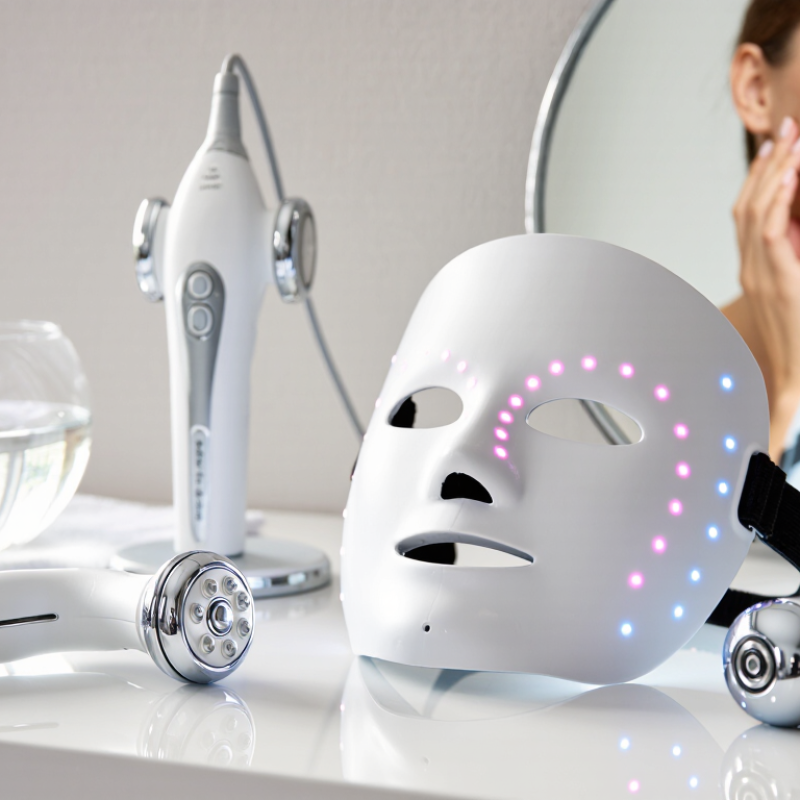
Define Your Skin Rejuvenation Goals and Treatment Priorities
How to Choose Skin Rejuvenation Devices in 2026?
Define Your Skin Rejuvenation Goals and Treatment Priorities
A device should serve a goal, not create one. Decide whether you want to soften fine lines, improve uneven tone, reduce rough texture, or support mild acne scarring. These concerns may need different technologies and timelines. Take clear photos beside a window. Note your skin sensitivity, previous reactions, and typical recovery time. A qualified dermatologist can assess whether your concern suits home treatment or professional care. Ask about clinical evidence, contraindications, settings, and expected maintenance. Faster is not always safer.
Tips: Rank your priorities. Choose one main goal and one secondary goal. Check the device’s intended skin tones and treatment areas. Avoid irritating products before treatment. Patch-test when appropriate, and follow instructions exactly. Keep a simple diary with dates, settings, redness, discomfort, and changes. Small details matter.
Consider your real routine. A powerful device left unused offers little practical value. Professional treatments may provide closer supervision, while home devices usually require patience and consistency. Costs can include replacement parts, consultations, sunscreen, and aftercare. Results vary, even with careful use. I would question promises of permanent change or identical results for every complexion. Regulations and device indications differ by country, so verify local approval. Speak with a licensed professional before treating pigmentation, active inflammation, or suspicious lesions. Never treat a changing lesion yourself.
Compare Major Device Technologies and Their Suitable Skin Concerns
How to Choose Skin Rejuvenation Devices in 2026?
Device choice should begin with the skin concern, not the treatment trend. The Aesthetic Society’s 2024 statistics recorded more than five million non-surgical procedures in the United States during 2023. That demand is significant, but popularity does not prove suitability. A qualified dermatologist should examine pigmentation, vascular redness, acne scars, laxity, skin tone, and sensitivity before recommending technology.
Fractional laser devices are often considered for fine lines, uneven texture, and acne scars. They can create visible improvement, but recovery and pigmentary risks require careful assessment. Intense pulsed light may help sun spots and diffuse redness, although darker skin tones need conservative settings and experienced supervision. Radiofrequency delivers controlled heat for mild laxity and collagen remodeling. Fractional radiofrequency combines needles with energy, which may suit scars and texture more directly. Ultrasound-based systems target deeper tissue, but results can be gradual and less predictable.
For surface sensitivity or mild dullness, LED devices offer gentle sessions with limited downtime. Expectations should remain modest. The American Academy of Dermatology advises discussing evidence, contraindications, and possible side effects with a board-certified dermatologist. I would not choose a device from photographs alone. Skin reacts differently. Even well-designed studies may exclude people with darker tones, active inflammation, or complex medical histories. The International Society of Aesthetic Plastic Surgery’s 2023 Global Survey also shows continued growth in non-surgical treatments, yet more procedures do not automatically mean better outcomes. Safety, operator experience, and realistic follow-up matter more than impressive specifications.
How to Choose Skin Rejuvenation Devices in 2026?
Compare major device technologies by their typical suitability for common skin concerns.
Relative suitability index from 1 to 5, based on common clinical applications of each technology. These scores are educational comparisons rather than treatment outcomes; actual suitability depends on skin type, condition severity, medical history, and professional assessment.
Evaluate Device Safety, Effectiveness, and Clinical Evidence
Choosing a skin rejuvenation device should begin with safety, not attractive before-and-after images. Ask who performed the treatment and what training they received. A qualified clinician should review your skin type, medical history, medications, and healing risks. The consultation should feel specific. Generic promises deserve caution.
Look for peer-reviewed studies, randomized trials, and follow-up periods longer than a few weeks. Evidence should describe treatment settings, participant skin types, side effects, and dropout rates. A small study may show improvement, but it cannot prove universal results. Check whether the device has authorization from the relevant health regulator in your country. Regulatory clearance supports lawful use, yet it does not guarantee dramatic outcomes.
During consultation, request realistic photographs taken under similar lighting. Ask about redness, swelling, pigment changes, scarring, and required downtime. A responsible provider explains alternatives, costs, maintenance sessions, and when results may fade. Patch testing may be sensible for selected treatments, although it cannot predict every reaction. Keep written records of settings and skin responses.
The evidence may still be imperfect. That matters. A device can appear promising while long-term data remain limited. My practical preference is careful monitoring over aggressive settings. Better evidence, honest consent, and patient-specific judgment usually matter more than novelty.
Check Skin Compatibility, Usage Requirements, and Potential Risks
How to Choose Skin Rejuvenation Devices in 2026?
Device selection should begin with skin compatibility, not advertised intensity. The ISAPS Global Survey 2023 recorded 19.1 million nonsurgical aesthetic procedures worldwide. That demand makes careful screening more important. A dermatologist should assess skin tone, sensitivity, acne activity, scarring history, and current medicines. Darker or recently tanned skin may face higher post-inflammatory hyperpigmentation risks after certain light-based treatments. A patch test can reveal irritation, but it cannot predict every reaction.
Usage requirements also deserve close attention. Check whether a trained clinician must operate the device. Confirm eye protection, cooling methods, treatment intervals, and aftercare instructions. The ASPS Procedural Statistics Report 2023 showed continued demand for nonsurgical treatments, yet popularity does not equal suitability. Radiofrequency, intense pulsed light, lasers, and microneedling create different injury patterns. Heat may cause burns or unwanted volume loss. Needling may trigger infection, prolonged redness, or scarring. Follow-up matters.
Read the technical information carefully. Look for clinical studies, treatment settings, contraindications, and adverse-event reporting. Home-use devices usually deliver lower energy, but misuse remains possible. A mirror cannot measure tissue temperature. That is easy to forget. I would also question dramatic “zero-risk” claims; they are not medically realistic. Skin response varies between people, and even an experienced practitioner may need to adjust settings after observing the first session. Potential improvement should be weighed against recovery time, pigment changes, and the cost of correcting complications.
Assess Costs, Maintenance, and Professional Support Before Choosing
How to Choose Skin Rejuvenation Devices in 2026?
Assess Costs, Maintenance, and Professional Support Before Choosing
The purchase price rarely shows the real cost of a skin rejuvenation device. Add handpieces, disposable tips, calibration, software updates, insurance, and staff training. A lower quote can become expensive. ISAPS’s 2023 Global Survey recorded more than 19 million nonsurgical aesthetic procedures worldwide, showing strong demand but also increasing equipment use. High usage makes maintenance planning essential, not optional.
Ask for a written five-year ownership estimate. It should include service visits, replacement parts, expected downtime, and consumable prices. Request maintenance intervals in plain language. Also check whether technicians receive documented training from the manufacturer or an accredited service organization. The U.S. Food and Drug Administration warns that improper medical-device servicing can alter performance and create safety risks (FDA, Medical Device Servicing, 2018). That warning deserves practical attention.
Professional support matters after installation. Confirm response times, remote troubleshooting, local technical coverage, and clinical training for new operators. ECRI’s 2024 health technology guidance continues to emphasize cybersecurity, system reliability, and the risks of poorly managed technology. Ask how access permissions and software updates are controlled. Do not assume every promised feature will improve outcomes. In my experience, a device with fewer settings may be easier to use consistently. I might be wrong. Test it with realistic workflows, including cleaning, setup, treatment documentation, and a busy afternoon schedule. That reveals hidden costs. Related evidence should come from peer-reviewed studies, not only sales demonstrations.
| Device Category | Common Treatment Goals | Typical Professional Purchase Cost (USD, 2026 Planning Range) |
Typical Treatment Downtime | Routine Maintenance | Consumables and Running Costs | Training and Professional Support Needs | Best Fit for a Practice | Key Selection Risk |
|---|---|---|---|---|---|---|---|---|
| LED Phototherapy | Support for mild acne, redness, inflammation, and general skin appearance improvement. | $1,500–$15,000 | Usually none | Clean treatment surfaces; inspect cables, cooling vents, timers, and light panels regularly. | Generally low; protective eyewear and replaceable accessories may be required. | Basic operator training is usually sufficient, but staff should understand contraindications and eye protection. | Spas, salons, dermatology clinics, and practices seeking a low-cost add-on service. | Results are usually gradual and less dramatic than those from energy-based resurfacing treatments. |
| Intense Pulsed Light (IPL) | Appearance of sun spots, vascular redness, uneven tone, and selected hair-reduction applications. | $15,000–$60,000 | Usually none to 3 days, depending on settings and treatment area. | Cooling system checks, handpiece inspection, filter replacement, calibration, and scheduled servicing. | Replaceable flash lamps or handpieces may create significant long-term costs. | Formal device training, skin-type assessment, eye-safety procedures, and documented treatment protocols are important. | Clinics treating pigmentation and redness across a broad patient base. | Incorrect settings can increase the risk of burns or post-inflammatory hyperpigmentation, particularly in darker skin types. |
| Non-Ablative Fractional Laser | Fine lines, mild to moderate acne scars, uneven texture, and collagen remodeling with limited downtime. | $30,000–$90,000 | Approximately 1–3 days of redness or swelling. | Optical-path inspection, cooling-system maintenance, calibration, and preventive servicing according to the manufacturer’s schedule. | Usually moderate; protective eyewear, sterile supplies, and service parts should be budgeted. | Moderate to advanced clinical training is recommended, including parameter selection and complication management. | Dermatology and aesthetic practices wanting a balance between efficacy and recovery time. | Multiple sessions are often needed, and outcomes vary with skin condition, settings, and patient compliance. |
| Ablative Fractional CO₂ Laser | Pronounced wrinkles, acne scars, texture irregularities, and more intensive resurfacing. | $40,000–$120,000 | Approximately 5–14 days, depending on treatment depth and area. | Regular calibration, articulated-arm and handpiece inspection, plume-management checks, and preventive service. | Moderate to high; sterile supplies, plume evacuation, protective equipment, and post-treatment products are commonly needed. | Advanced medical training, strict laser-safety procedures, patient screening, and emergency protocols are essential. | Experienced medical clinics with appropriate treatment rooms and post-care capacity. | Higher risk of prolonged redness, infection, scarring, and pigmentary changes if poorly selected or operated. |
| Radiofrequency Microneedling | Skin tightening, acne scars, enlarged pores, fine lines, and texture improvement. | $25,000–$90,000 | Approximately 1–5 days of redness, swelling, or pinpoint marks. | Handpiece inspection, software checks, calibration, cable inspection, and replacement of treatment tips. | Usually moderate to high because sterile or single-use needle cartridges are commonly required. | Hands-on training is strongly recommended for needle depth, energy selection, hygiene, and complication prevention. | Medical aesthetic practices seeking collagen remodeling with less downtime than ablative resurfacing. | Incorrect depth or energy can cause burns, scarring, infection, or unintended fat loss. |
| Focused Ultrasound / HIFU | Non-surgical lifting and tightening of selected facial or body areas. | $30,000–$100,000 | Usually none to 3 days; tenderness or swelling may occur. | Transducer inspection, software verification, energy-output checks, and replacement of treatment cartridges. | Moderate to high; cartridges are often area-specific and may be single-use or limited-use. | Advanced anatomical training is important to avoid sensitive structures and to select suitable treatment depths. | Clinics focused on tightening services for patients who prefer minimal surface disruption. | Results are gradual and patient selection is critical; superficial or excessive treatment may cause unwanted effects. |
| Monopolar or Bipolar Radiofrequency | Temporary skin tightening, mild laxity, and improvement in overall skin firmness. | $10,000–$70,000 | Usually none to 2 days | Check electrodes, grounding or contact systems, temperature controls, cables, and calibration. | Low to moderate; conductive gel, coupling medium, and disposable accessories may be needed. | Basic to moderate training is needed, with emphasis on temperature control, contraindications, and burn prevention. | Practices wanting a comparatively simple tightening treatment with limited recovery time. | Overheating or poor contact can cause discomfort or burns, while results may be subtle. |
| Cryolipolysis | Localized reduction of subcutaneous fat rather than treatment of skin texture or pigmentation. | $40,000–$120,000 | Usually none; numbness, swelling, bruising, or tenderness may last several weeks. | Applicator and cooling-system checks, temperature monitoring, filter inspection, and scheduled servicing. | Moderate; protective membranes, liners, and applicator-related supplies are commonly required. | Training should cover patient selection, applicator placement, contraindications, and recognition of uncommon adverse events. | Body-contouring practices with adequate consultation time and follow-up capacity. | It is not a replacement for weight loss, and rare paradoxical adipose hyperplasia should be included in risk counseling. |
| Professional Support and Compliance Checklist | Applies to every device category before purchase. | Include separately in the total budget | Not applicable | Request preventive-maintenance intervals, service response times, calibration records, warranty terms, and loaner-equipment policies. | Confirm the price and availability of cartridges, lamps, tips, filters, handpieces, protective equipment, and software updates. | Verify operator training, clinical protocols, adverse-event support, installation requirements, regulatory documentation, and local service coverage. | Suitable for any clinic comparing total cost of ownership rather than purchase price alone. | Low upfront cost can become expensive when downtime, consumables, repairs, training, and compliance requirements are excluded. |
Related Posts
-
What is the Best Rosacea Treatment for Effective Relief?
-

2026 How to Achieve Perfect Skin Rejuvenation Naturally?
-
What is Dermal Fillers and How Do They Work?
-

What Is the Best Type of Spider Vein Treatment?
-
Top 10 Injectable Treatments for Aesthetic Enhancements?
-
Why Choose Medical Aesthetics for Your Business Needs?
Contact Us
Feel free to contact us anytime for questions, support, or assistance. We're here to help you with any inquiries you have.
- Address: 10220 S. Dolfield Rd Suite 110
Owings Mills, MD, 21117 - Email: sale@oshanbeauty.com
- Call Us: (410) 356-0000
- Working hours:
Monday – Friday: 9am – 5pm
Saturday and Sunday: Closed